
Blogs
Early Signs of Arthritis You Should Never Ignore
Arthritis is one of the most common causes of joint pain and disability worldwide. It can affect people of all ages and commonly involves the knees, hips, hands, shoulders, and spine. While many people consider joint pain a normal part of aging, persistent symptoms should never be ignored.
Early diagnosis and treatment can help slow disease progression, reduce pain, preserve joint function, and improve overall quality of life. Recognizing the warning signs early is essential for effective management.
What is Arthritis?
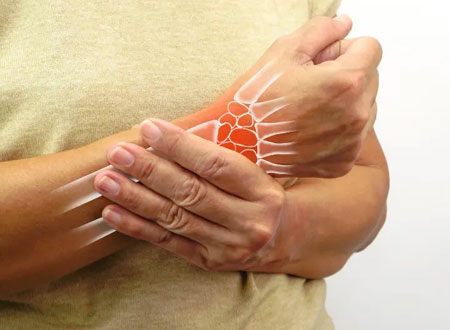
Arthritis refers to inflammation and degeneration of the joints, leading to pain, stiffness, swelling, and reduced mobility. Osteoarthritis and rheumatoid arthritis are among the most common types, and early treatment can significantly improve long-term outcomes.
Persistent Joint Pain
One of the earliest signs of arthritis is persistent pain in one or more joints. The pain may initially occur during physical activity and gradually become more frequent or severe over time.
If joint pain continues for several weeks despite rest and medications, medical evaluation is recommended.
Morning Stiffness
Stiffness in the joints after waking up, especially lasting more than 30 minutes, can be an early indication of arthritis. Many patients experience difficulty moving their knees, hips, hands, or other affected joints in the morning.
Joint Swelling
Swelling around the joints may occur due to inflammation and fluid accumulation. Swollen joints may appear enlarged, tender, and feel warm to the touch.
Reduced Range of Motion
Difficulty bending, straightening, or moving a joint normally can be an early sign of arthritis. Patients often notice reduced flexibility during daily activities such as walking, climbing stairs, or getting up from a chair.
Joint Pain During Activity
Pain that worsens with physical activity and improves with rest is a common symptom of early osteoarthritis. Activities such as walking, exercising, or climbing stairs may become increasingly uncomfortable.
Grinding or Clicking Sensation
Some patients experience a grinding, cracking, or clicking sensation while moving their joints. This may occur due to cartilage wear and changes within the joint surfaces.
Difficulty Performing Daily Activities
Arthritis symptoms often interfere with routine tasks such as walking, climbing stairs, sitting for prolonged periods, or participating in recreational activities. Progressive difficulty with daily activities should never be ignored.
Common Risk Factors for Arthritis
- Increasing age
- Previous joint injuries
- Obesity or excess body weight
- Family history of arthritis
- Repetitive stress on joints
- Autoimmune disorders
When Should You Consult an Orthopaedic Surgeon?
You should consult an orthopaedic specialist if you experience persistent joint pain, swelling, stiffness, reduced mobility, or symptoms that interfere with your daily activities. Early treatment can help prevent further joint damage and improve long-term outcomes.
Consult Dr. Jeetendra Kanparia
Dr. Jeetendra Kanparia specializes in the diagnosis and management of arthritis and degenerative joint disorders. With advanced treatment options and personalized care, he helps patients reduce pain, improve mobility, and maintain an active and healthy lifestyle.
Book your consultation today for expert evaluation and personalized arthritis treatment.